Food e-commerce closes 2024 on a positive note
Contents8
THE food e-commerce has seen impressive momentum throughout 2024, accounting for a growing share of the e-commerce market. According to recent reports, online sales of food products have reached record highs with a notable increase, reaching $9.6 billion in December in the United States. This market was mainly driven by delivery, in-store pickup and home shipping channels. Retailers have taken advantage of this trend with attractive offers on subscription and membership fees. The giants of the sector, such as Amazon Fresh and Carrefour online, have been able to take advantage of the situation to strengthen their position. In this article, we explore the developments in these trends, online food brand strategies, and prospects for the future of food e-commerce.
The notable trends in food e-commerce in 2024
2024 was a year of continued growth for the food e-commerce, marked by significant changes in purchasing behavior. Consumers are increasingly turning to online shopping for their daily errands, favoring services that enhance their shopping experience. The options of food delivery At-home solutions continue to grow in popularity, powered by advanced technologies that optimize logistics and the supply chain.
According to Brick Meets Click, delivery now represents nearly 42% of sales. food e-commerce market. This figure demonstrates a strong appetite for this type of service which meets a demand for convenience and speed. On the other hand, in-store pickup saw marginal growth, reflecting a slight decline in popularity for this option.

The drivers of growth
THE food trends online were mainly supported by technological innovations and aggressive marketing strategies. Retailers are now using personalized AI-powered solutions to present relevant product options to customers, thereby increasing the average basket value. Integrated loyalty programs also play a crucial role in encouraging customers to come back online.
The evolution of market players
The big ones food brands online, like Amazon Fresh, have consolidated their position by providing high-quality services that meet the varied needs of modern consumers. Their ability to integrate innovative solutions has allowed them to differentiate their offers in a competitive market. THE online sales at Costco also showed an increase, providing insight into the impact membership dues increases can have on sales.
Food marketplaces have seen strong demand for fresh, local products. This development has strengthened the value proposition of small producers who use these platforms to access the global market. THE ecommerce figures 2024 reveal a growing enthusiasm for niche products, whether tailor-made meals or artisanal ingredients.
Comparison of distribution models
A notable contrast exists between the mass retailers and traditional retailers. The former benefit from a robust logistics infrastructure, which allows them to manage large inventories and offer competitive deals. In contrast, local retailers are gaining market share thanks to personalized services and a closer connection with the local customer base.
Future prospects for food e-commerce
Analysts predict uninterrupted growth in food e-commerce through 2025. This trend is supported by the digital transformation and the shift in consumer habits towards a strong preference for convenience. The integration of technologies such as AI and blockchain offers exciting prospects that could radically transform the way consumers interact with their online food suppliers.
Mark Fairhurst of Mercatus highlighted the importance of personalization to boost customer loyalty and increase repeat orders. **Food marketplaces, such as Carrefour online, are moving towards solutions that will offer seamless and personalized shopping experiences. This trend is not just for big chains; smaller retailers are following suit by adopting robust digital strategies as well.**Loyalty Trends and Personalization
Consumers are increasingly attracted to loyalty programs that offer
real savings and tangible rewards. In response, the industry is developing intuitive mobile apps and websites that guide the user through an engaging shopping journey. Personalization of shopping preferences can maximize the user experience, transforming occasional shoppers into loyal customers. Regional Performance Benchmarking
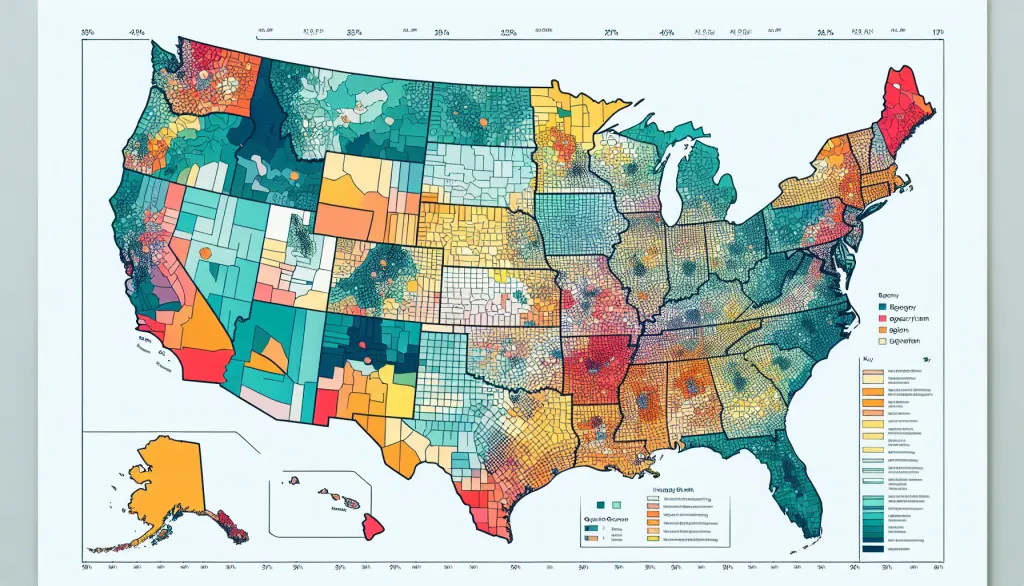
The dynamics of food e-commerce vary by region. Some areas benefit from strong infrastructure that facilitates the rapid expansion of online services, while others, facing challenges in logistics and network coverage, are progressing at a more moderate pace. An analysis of
figures for the 3rd quarter of 2024 shows that metropolitan areas are seeing faster adoption, driven by high urban density and a convenience-driven lifestyle. discover how food e-commerce is ending 2024 on a positive note, with innovative trends, sales growth and changes in consumer purchasing behaviors. dive into the key elements that shaped this prosperous year for the industry.

Impact of customs tariffs
The impact of
Read next
 E-commerce news
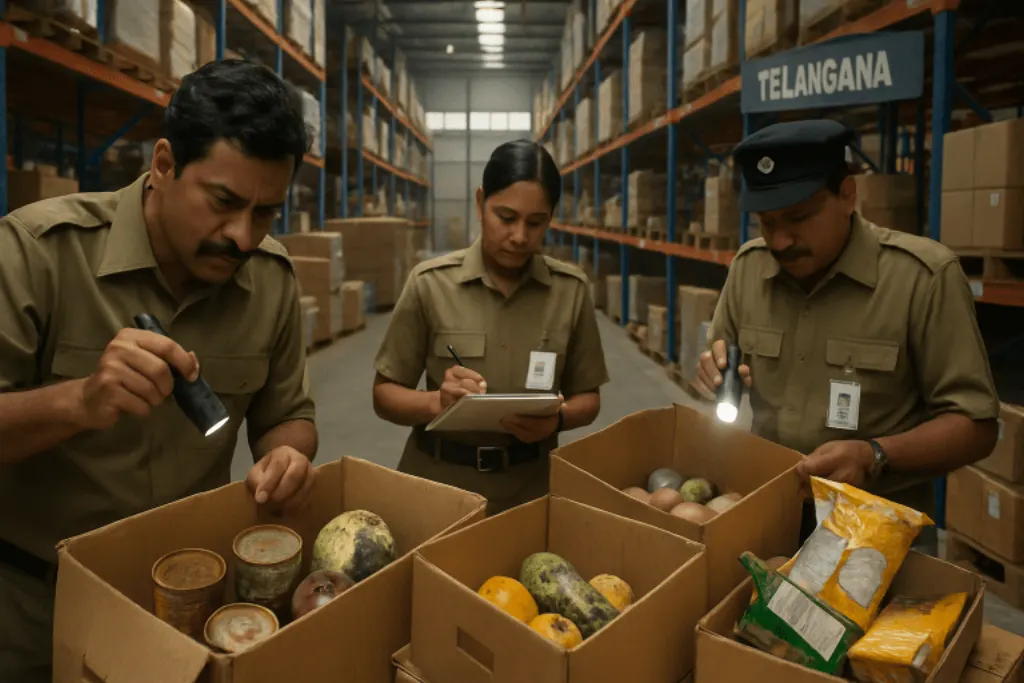
Expired food discovered in large online retail warehouses in Telangana during special inspections
Telangana, a dynamic Indian state, has recently come under scrutiny after special inspections revealed the presence of e
 E-commerce news
Trump closes loophole allowing US consumers to buy Chinese goods without paying tariffs
President Donald Trump’s recent announcement has sent shockwaves through the e-commerce world. The president signed an e
 E-commerce news
Shares of Chinese e-commerce firms plummet as trade loophole closes
The collapse of e-commerce stocks in China reveals a complex and tense economic situation. Faced with a series of domest
 E-commerce news
Amazon analyst highlights company’s dominant position in e-commerce and AWS, generating strong positive enthusiasm
Through a particularly effective business strategy, Amazon rose to the top of the online commerce and cloud computing so