The EU will introduce a €3 tax on e-commerce parcels from July 2026
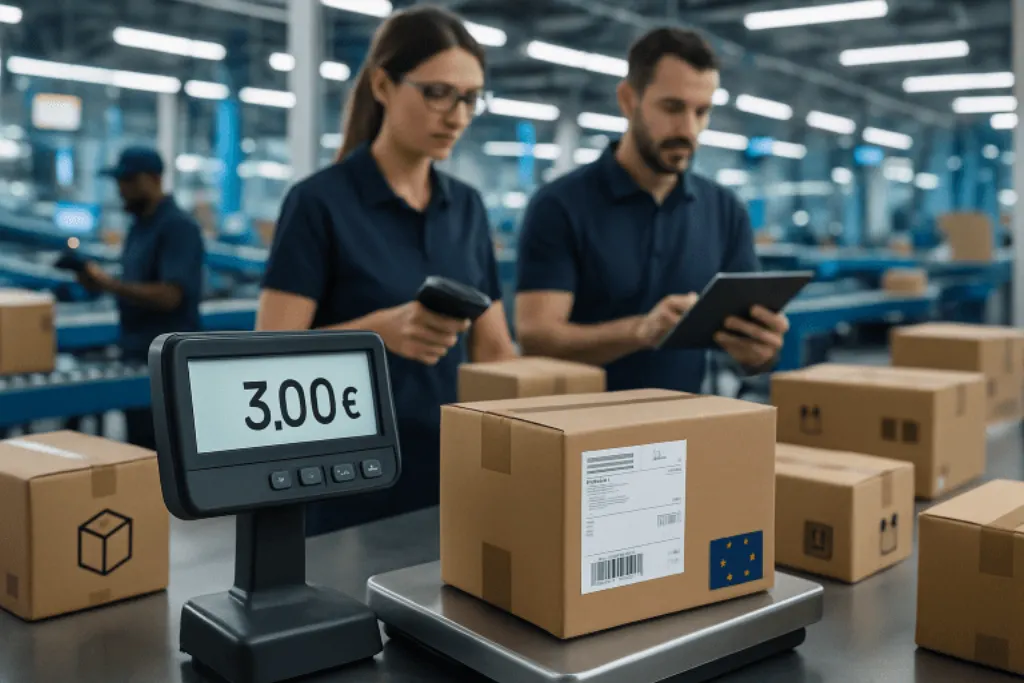
The new €3 tax: a transformation of the e-commerce landscape in Europe
Starting July 1, 2026, the European Union will introduce a tax measure that will mark a major turning point in the field of online commerce. This new regulation imposes a €3 tax on all parcels valued at €150 or less. This initiative aims to address the problem of low-cost imported products, often from platforms such as Shein, Temu, or AliExpress, which flood the European market. Until now, many European consumers have benefited from untaxed imports, leading to an increase in purchases of small international parcels. Indeed, Asian platforms have been able to circumvent certain tax barriers, creating a distortion of competition to the detriment of companies based in the EU. This change is not without controversy. On one hand, there are consumers who fear price increases for products they regularly order online. On the other, stakeholders in the European e-commerce industry see this measure as an opportunity to strengthen their market position. This €3 tax is perceived as an attempt to level the playing field, giving local businesses a better chance to compete against Asian giants.Analyzing the cases of other countries, it becomes clear that the impact of such a tax measure could be significant. For example, the United States recently took similar steps to tax products below the de minimis threshold, which immediately led to adjustments by e-commerce platforms. European experts anticipate a comparable effect in the EU domestic market. This tax is also part of a series of initiatives taken by the EU to strengthen the Tax regulations and ensure fairness between European and foreign traders. Discussions surrounding this tax began a few years ago, and the decision to implement it was made in December 2025, demonstrating the European authorities’ determination to proactively address the challenges posed by cross-border e-commerce. This measure is a test for the future of e-commerce. Its impact on import volumes, sales prices, and the entire retail ecosystem in Europe will be closely watched. Experts agree that a balance must be struck to protect the interests of both European businesses and consumers, who are always eager for good deals online.https://www.francebleu.fr/infos/economie-social/l-union-europeenne-va-imposer-une-taxe-de-trois-euros-sur-les-petits-colis-importes-a-partir-de-juillet-2026-4148044From July 2026, the European Union will implement a €3 tax on each e-commerce parcel to harmonize taxation and support the local economy.
The Impact on E-commerce Platforms: Adjustments and Challenges E-commerce platforms such as Shein, Temu, and AliExpress, which have carved out a niche in the European market thanks to their affordable products and aggressive pricing practices, will have to adapt to this new tax. This could lead to several changes, both logistical and strategic.
First, delivery logistics could see significant adjustments. International platforms will now have to include this tax in their shipping and fulfillment cost calculations. This could lead these companies to modify their business models, either by implementing additional shipping fees or by absorbing these costs themselves to remain competitive in the European market. Next, the very business model of these platforms could be called into question. Between the potential removal of certain smaller products from their European inventory and the adjustment of their profit margins, serious consideration is needed to maintain their price competitiveness. Furthermore, some of them might consider establishing distribution centers within Europe. This would not only reduce the cost of shipping packages but also allow for stronger integration into the local economy, thus transcending the limitations of the tax. The cross-border business practices of these platforms will certainly be reviewed.
Adapting to this tax regulation will not be easy, however. FedEx

https://www.youtube.com/watch?v=y3JpjQALPWs Necessary regulation: protecting the local economy from increased competition At the heart of this tax lies a clear objective: to protect the local economy from the onslaught of unregulated free trade. Indeed, small parcels from China represent a significant portion of online commerce conducted by European residents. This massive influx of low-priced products, often not compliant with EU standards, can destabilize local businesses that must adhere to high standards of quality and taxation. **In this context, the new tax reinforces the EU’s requirements for fair trade and level playing field competition. European companies have frequently denounced the tax inequalities between themselves and foreign platforms, which benefit from exemptions or low costs thanks to the permeability of trade borders. This tax is envisioned as a way to redress this disadvantage by curbing these low-cost imports.**The regulation also aims to compel these international platforms to comply with EU trade and ethical standards. Such a measure could also stimulate European innovation and encourage consumers to choose local products, thereby strengthening the regional economy.
Furthermore, this tax could complement other European initiatives aimed at promoting product traceability, sustainability, and compliance. Awareness campaigns on the importance of buying products that meet European standards, coupled with this tax, may strengthen Europe’s economic identity, protecting its manufacturers and producers from the threat of unfair competition. That said, this reform, while ambitious, is not without its challenges. It requires increased vigilance to monitor the evolving business practices of international platforms, which have demonstrated their ability to adapt quickly in the past. Nevertheless, in the long term, it could represent a pioneering example of managing the economic risks associated with globalization. https://www.youtube.com/watch?v=XxSqxRiiolY
Implications for European consumers: refining their consumption choices
For consumers, this tax brings about a new reality in their consumption habits. Currently, the rapid growth of cross-border e-commerce has allowed consumers to benefit from a wide range of products online, often at competitive prices thanks to tax exemptions. With this new tax in July 2026, this dynamic could change. This measure, although designed to regulate the market, could lead to a slight increase in prices for some imported products. This could realign consumers with locally available products, encouraged by the parallel improvement in the value-for-money offerings of local goods. This tax also gives consumers the opportunity to reassess their purchasing preferences by paying closer attention to product quality and origin.
It is also important to appreciate the long-term benefits of this regulation for consumers themselves. By maintaining a balance between local and imported products in their purchases, they contribute positively to local economic growth. Information campaigns could be launched to educate consumers about the reasons behind this tax and how it can lead to more responsible and ethical consumption.
Adopting a proactive approach to the tax will allow consumers to navigate a constantly evolving e-commerce market. European stakeholders are counting on a collective adoption of sustainable consumption, which, in the long run, could shape new consumption habits aligned with contemporary economic and environmental requirements.
Boosting the European e-commerce market: opportunities and prospects Beyond the direct implications in terms of taxation, this measure offers a range of opportunities to further boost the European e-commerce market. The introduction of the €3 tax, coupled with efforts to promote local businesses, could catalyze a surge of creativity and innovation within European companies.
This tax regulation encourages local businesses to rethink their strategies to regain market share lost to foreign e-platforms. We could witness a resurgence of products made in Europe, marking a return to shorter, more direct supply chains for local and artisanal goods. This tax could serve as an economic driver for stimulating local production. By integrating new responsible trade standards, the EU also intends to embed sustainability and innovation as pillars of its regulations. This could influence not only the creation of more environmentally friendly products but also services better suited to evolving consumer attitudes. The focus on short supply chains and prioritizing local production also aims to encourage young entrepreneurs and startups. Small businesses could seize the opportunity to position themselves in the market by highlighting sustainable production practices aligned with European standards.
The essence of this tax lies in reaffirming a distinctly European trade identity, a shift that, while challenging to implement, offers long-term advantages. Through its regulatory approach and the short-term growth potential of bold, hyperlocal, and competitive trade, this tax could indeed redefine the European economy in the post-expansionary cross-border trade era. With this tax, EU countries aim to rewrite the rules of the game for online commerce, transforming it into a breeding ground for innovation and sustainability. The effectiveness of this approach will be closely watched on the global trade stage, attracting the attention of international economic partners.
Read next
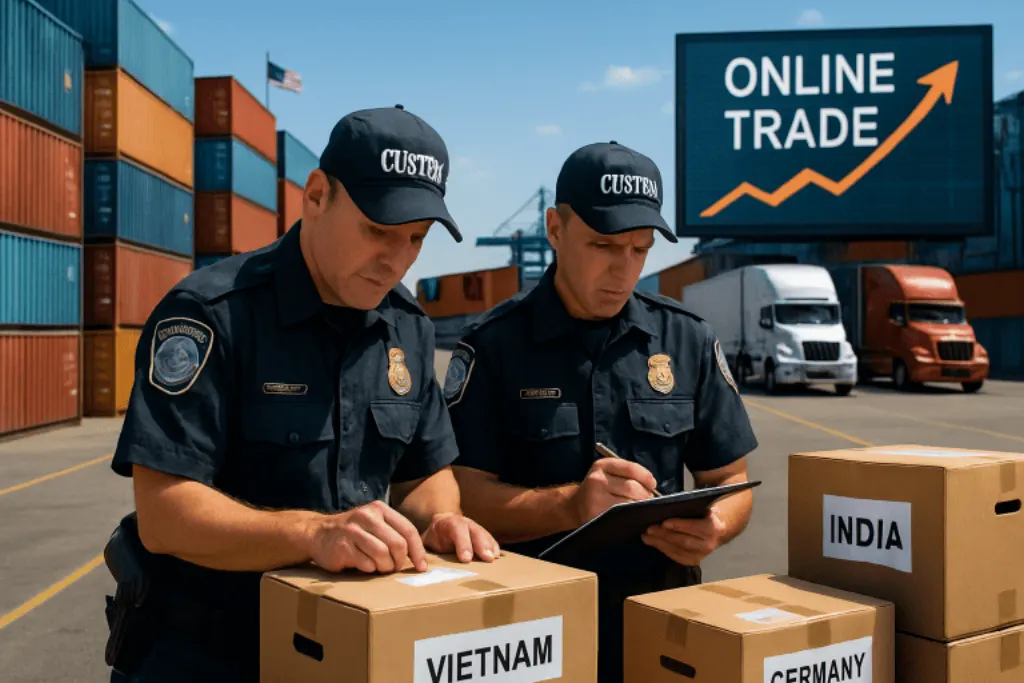 E-commerce news
US ends duty-free parcels amid boom in online commerce
The recent decision by the United States to end the tariff exemption on small parcels marks a significant turning point
 E-commerce news
Les Lauréats des ECDMA Global Awards 2026 Révélés : Excellence en Marketing et E-commerce
La Célébration des Lauréats des ECDMA Global Awards 2026 Les ECDMA Global Awards 2026 ont mis en lumière les exploits re
 E-commerce news
Chewy ou Walmart : Quel titre de consommation choisir pour 2026 ?
Le marché boursier en 2026 est marqué par une compétition accrue entre certaines sociétés aux tactiques très distinctes.
 E-commerce news
Les Meilleurs Créateurs de Sites Web Gratuits à Découvrir en 2026
Découverte des Éditeurs de Sites Web Gratuits en 2026 En 2026, la création de site internet est accessible à tous, des n