OpenAI Integrates Etsy and Shopify into ChatGPT’s Cart for an Optimized Shopping Experience
Contents5
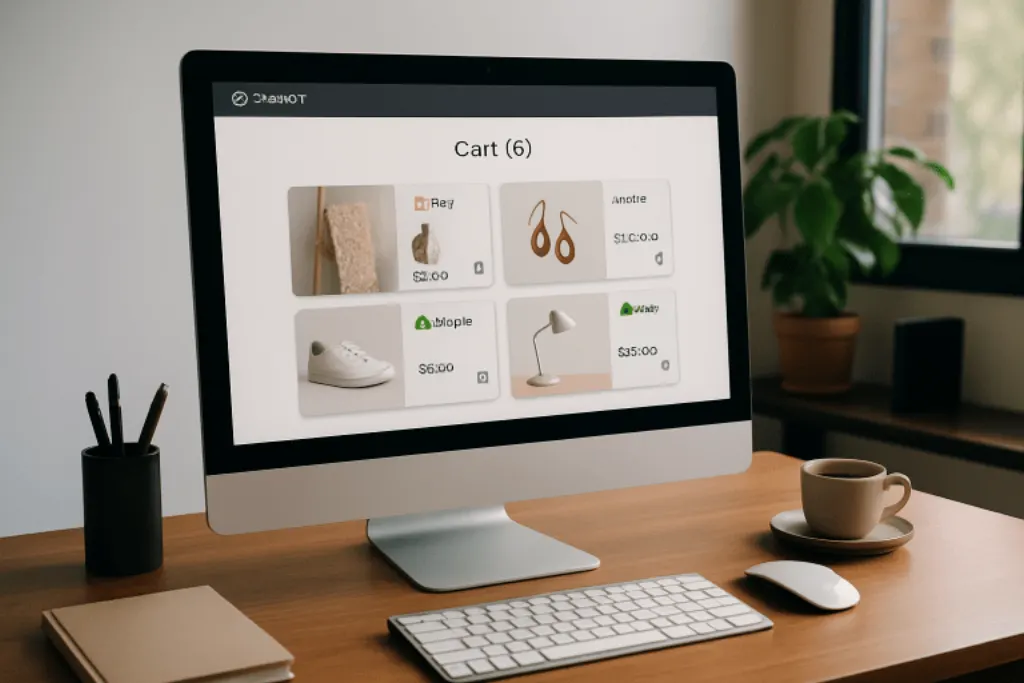
In a bold move, OpenAI is changing the e-commerce landscape by integrating Etsy and Shopify into its ChatGPT tool. Thanks to this revolution, consumers can now browse, discover, and purchase their favorite products without leaving the comfort of a conversation. While e-commerce had taken off primarily on large platforms, this innovation positions ChatGPT as a key hub, deepening the user experience and stimulating new avenues for merchants. With Stripe as the transaction engine, the promise of a simplified and secure purchasing journey is more tangible than ever.
Related reading : Shopify and Etsy get an unexpected boost from ChatGPT
Related reading : OpenAI’s next revolution: integrating e-commerce into ChatGPT
Evolution of Conversational Commerce: A Turning Point with ChatGPT
In the digital age, the way we buy products has undergone a significant transformation. Before the introduction of artificial intelligence in e-commerce, consumers had to go through complex steps: from researching products on different sites to checking prices and specifications, before finally proceeding to checkout. This method, while functional, severely lacked fluidity and personalization. With OpenAI’s introduction of ChatGPT, this dynamic is about to radically change. Integration with platforms like Etsy and Shopify allows users to make purchases simply by using a conversational assistant. This system, called Instant Checkout, simplifies the purchasing process by reducing the user journey to a conversation. This approach not only improves discovery, but also solves the need for instant access to products with a simple chat command.
Discover how OpenAI is revolutionizing e-commerce by integrating Etsy and Shopify into ChatGPT’s shopping cart, providing an interactive, seamless, and personalized shopping experience for all users. **The driving force behind this shift is AI’s ability to understand and anticipate consumer needs. When a user requests items on a theme (such as home decor), ChatGPT is able to offer personalized selections, while still enabling a fast and secure purchase.**Learn more about the launch of Instant Checkout.

The technical nuts and bolts behind the integration: depth and precision A closer look at the inner workings of this revolutionary feature reveals a world where technology and commerce seamlessly converge. For a typical user, the experience seems simple: simply request a product and ChatGPT takes care of the rest. But behind this apparent simplicity lies a complex and sophisticated mechanism, uniting multiple technologies to deliver a seamless user experience.
The first cornerstone of this system is the
Agentic Commerce Protocol developed by OpenAI and Stripe . This open protocol, available from launch, plays a crucial role in merging the discovery, purchase, and payment processes. Indeed, thanks to payment tokenization, this protocol ensures that transactions remain secure, encrypted, and limited to specified amounts. For example, when a user chooses a product on Etsy, the system uses payment tokens to authorize only that specific transaction, ensuring optimal security throughout the process. How does the protocol actually work?
Related reading : OpenAI Instant Checkout: AI and Long-Term E-Commerce, What’s the Difference?
Imagine a user wants to buy a decorative painting. Using ChatGPT, he expresses this query, and the chatbot instantly generates several options. If the user decides to complete the purchase, the card details are already pre-filled with tokens, and the shipping address is automatically populated, resulting in an instant transaction.
Select the desired product in the chat.
Confirm the payment and shipping details. Complete the purchase with the secure Stripe transaction.Receive an instant purchase confirmation in the chat.
Discover how OpenAI’s integration of Etsy and Shopify into ChatGPT’s shopping cart is revolutionizing the online shopping experience, facilitating faster and more personalized purchases directly through AI. This technological adventure, however, raises questions for larger items. While the system works perfectly for relatively inexpensive items, how does it perform for $2,000 items? Questions of trust and security are at the center of the debate. OpenAI has addressed these concerns by including additional verification measures, such as explicit user confirmation of each step to maintain complete transparency of the process.
- The technical framework doesn’t stop there. In addition to Stripe, payment giants like Visa and Mastercard have also taken steps to integrate into this structure, laying a solid foundation for an AI-powered commerce ecosystem. Initiatives like the Visa Shared Payment Token and Mastercard Agent Pay are strengthening consumer confidence in this new era of virtual transactions. Implications for the Future of E-Commerce
- As the world continues to digitize, these changes brought about by OpenAI and its partners like
- Shopify and Etsy
- open exciting doors for the future of online commerce. This isn’t just about replacing old shopping methods, but establishing a new standard, where personalization and ease of access will be at the heart of the user experience.

By entering the world of e-commerce with Instant Checkout, OpenAI is tackling one of the most critical and sensitive aspects of any payment system: trust. Today’s consumers, while tech-savvy, remain wary of new virtual payment methods. This is where the expertise of partners like Stripe comes in, ensuring that every transaction is not only seamless but, above all, secure.
One of the essential components of this system is
securing user data.
Each transaction involves the use of payment tokens, secure digital signatures that prevent card data from being exposed online. This tokenization system significantly reduces the risks associated with fraud or hacking, giving users peace of mind when shopping through ChatGPT. But trust isn’t just about technology. Transparency is another key factor. Every step of the purchase, from product selection to transaction confirmation, is accompanied by a user verification request. This approach not only ensures that the user remains in control of their actions, but also that they are aware of every decision made throughout the process. Discover how OpenAI is improving the shopping experience with ChatGPT by integrating Etsy and Shopify, making it easier to search and purchase products online directly through AI.
Related reading : OpenAI and Shopify ready to partner with ChatGPT’s shopping integration directly into…
The future of digital payments is therefore evolving. As we move toward a model where chatbots autonomously handle payments and transaction management, the concept of Zero Checkout becomes inevitable. In this future, digital wallets may well become a relic of the past, replaced by agents that not only store data but also intelligently use it to complete purchases autonomously.
The road ahead, however, is fraught with challenges. Questions are being raised about the concentration of power among dominant platforms and the role of regulatory authorities in monitoring and regulating these new transactions. But one thing is certain: with advances like those introduced by OpenAI, the world of e-commerce is entering a new era, where technology and trust are paving the way for smarter and more secure transactions.
Learn more about ChatGPT’s integration of instant purchasing . Economic Impact and Market Dynamics
As technology advances by leaps and bounds, it brings with it economic repercussions that are redefining the e-commerce market. A fundamental shift is being made from traditional e-commerce to an experience where intelligent technology plays a dominant role. This change is being driven by the rise of platforms like ChatGPT, which use artificial intelligence technology to optimize purchasing processes. This radical shift has led to a revised economic outlook for product-selling platforms like WooCommerce, PrestaShop, Shopify, and others. Consolidating these platforms with AI systems enables a steady stream of revenue while paving the way for new business models centered on user experience and interaction.

to stay relevant. It is crucial for retailers to understand and adapt to the changing commerce landscape.
Payment technologies, such as those implemented by Stripe, are essential to ensuring the security and efficiency of transactions. The ability to attract and retain consumer attention is crucial in the era of intelligent assistants.It’s an exciting time for e-commerce, with OpenAI at the forefront of this revolution, collaborating with platforms such as Magento and BigCommerce
that echo this advancement.
As e-commerce moves toward personalized experiences powered by artificial intelligence, the retail landscape will continue to adapt and grow in exciting ways for years to come.
Read next
 Shopify
OpenAI and Shopify ready to partner with ChatGPT’s shopping integration directly into conversations
The collaboration between OpenAI and Shopify promises to redefine the online shopping experience. By integrating a shopp
 Shopify
OpenAI Launches Shopping Feature in ChatGPT After Rumors of Major Partnership with Shopify
In a technological era where every innovation redefines our daily habits, OpenAI is making a big splash by unveiling a n
 Shopify
Does ChatGPT’s integration into shopping justify Shopify’s price despite recent market fluctuations?
As e-commerce continues to transform at a breakneck pace, the merger between two industry giants, OpenAI with its ChatGP
 Shopify
Shopify and Etsy get an unexpected boost from ChatGPT
In the ever-changing world of online commerce, two e-commerce giants, Shopify and Etsy, recently experienced a surprisin