Understanding the ‘de minimis’ exemption: an essential asset for online commerce

Contents8
The ‘de minimis’ exemption is a crucial element in the field of online commerce. It allows the importation of low value goods without the application of customs duties, thus promoting the effectiveness of international transport. These customs regulations facilitate transactions between countries and stimulate economic growth for companies of different sizes. However, recent changes in the application of this exemption, notably under the presidency of Donald Trump, have created some turbulence within the sector.
Related reading : the possible impact of the disappearance of de minimis on e-commerce and resale
First of all, the prospect of the cancellation of the exemption for certain countries caused panic in the industry. international e-commerce. Companies like Shein in China and various retailers in Canada are considering strategic adjustments to remain competitive in the U.S. market. This highlights the importance of understanding the customs regulations to anticipate and mitigate potential tax impacts on imports.
Related reading : US shoppers face customs duty bills on overseas online orders: Explained
The importance of the ‘de minimis’ exemption in global trade
The notion of ‘de minimis’ finds its roots in American legislation aimed at reducing tariff barriers and simplifying customs procedures for goods with reduced value. This exemption is essential for platforms like Amazon Or Alibaba, allowing them to deliver low-cost products directly to U.S. consumers without the hassle of additional customs fees.
The increase in the ‘de minimis’ threshold to US$800 in 2015 marked a turning point, drastically increasing the volume of goods imported under this banner. In 2023, the United States received more than 1.4 billion of these shipments, demonstrating the importance of this regulation to retailers and consumers. This has enabled businesses of all sizes, including e-commerce giants, to optimize their logistics strategies.
The impact of canceling the exemption
When the ‘de minimis’ exemption was temporarily revoked, this caused confusion among logisticians and retailers. In the United States, the need to complete more detailed tax forms has reportedly increased administrative and financial burdens for businesses. This change could force companies to reevaluate their business models, including raising consumer prices or seeking efficiencies elsewhere.

Possible impacts on Canadian businesses
For Canadian retailers, the cancellation of the ‘de minimis’ exemption could have a significant impact. These companies, particularly those importing from China, could see their operating costs rise due to new tariffs. A increasing number of goods may need to be stored in larger quantities before shipping to amortize these increased costs.
This situation may push companies to review their supply chains, favoring bulk rather than frequent shipments to minimize tariff charges. On the other hand, the need for additional warehousing space could also emerge, prompting companies to rethink their logistics infrastructures.
Strategies for adapting to change
Companies like Logitech and Shein are exploring various approaches to counter these challenges. Encouraging local sellers or diversifying sources of supply in countries such as Brazil, Turkey and Bangladesh are among the strategies being considered to maintain their competitiveness.
Related reading : the end of de minimis alarms for online sellers and consumers
The future of online commerce in the face of regulatory changes
As the e-commerce industry continues to evolve, the need to adapt to customs regulations is more crucial than ever. Rapid growth and frequent fluctuations in international trade policies require proactive strategies from businesses. Understanding and adjusting to the nuances of the ‘de minimis’ exemption has become essential to maintaining the momentum of cross-border e-commerce.
Mastering the complexities of customs duties
Businesses must go beyond simply following new regulations. They must integrate strategic monitoring to anticipate policy developments that could impact their supply chain. Sustained attention is required to ensure that the success of the online commerce is not compromised by unexpected customs duty costs or administrative delays.

Leading platforms and their role in adapting to new developments
The impact of changes in the ‘de minimis’ exemption on renowned platforms like Amazon And Alibaba is palpable. These giants must not only adapt their logistics infrastructures but also innovate in the way they handle tax and customs issues to continue to offer competitive products to international consumers.
Innovation and resilience in a changing environment
By exploring new logistics technologies and creative financing approaches, these companies are demonstrating unwavering resilience in the face of regulatory challenges. For example, using advanced data to optimize freight forwarders or develop diversified distribution networks ensures that these innovative platforms remain dominant in the e-commerce landscape.
The key for businesses is to take a proactive perspective, prepared for continued changes in international regulations. Understanding the dynamics ofde minimis exemption and preparing for diverse policy scenarios remains essential to thrive.
Read next
 E-commerce news
Consumers are in for a surprise: the imminent removal of the tariff exemption on goods under $800 threatens the world of online commerce
Online commerce has profoundly transformed our consumption habits, allowing consumers to purchase products from around t
 E-commerce news
the end of de minimis alarms for online sellers and consumers
E-commerce is undergoing a major transformation with the end of de minimis exemptions, a significant turning point for b
 E-commerce news
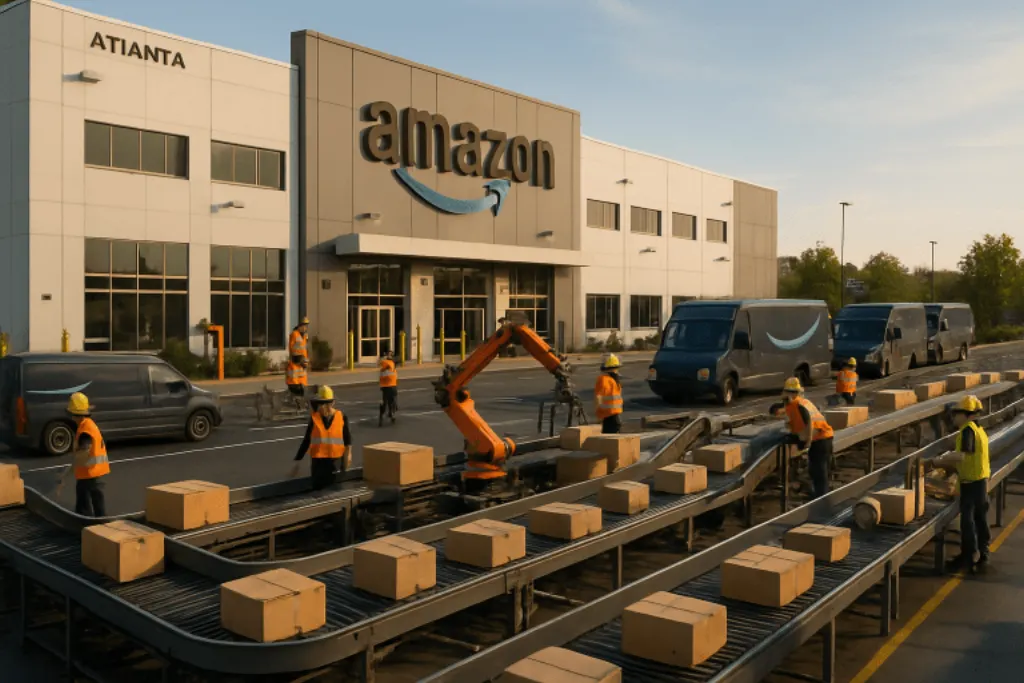
Amazon is seeking a $16 million tax exemption to convert its Atlanta warehouse into a parcel sorting center
In 2026, Amazon continues its aggressive expansion in logistics and distribution with an ambitious project: transforming
 E-commerce news
Understanding: How the EU plans to strengthen controls on small e-commerce shipments from China
Faced with the explosive growth of e-commerce, European institutions are intensifying their efforts to better control th