Amazon launches 10-minute delivery in Delhi to boost fast-track commerce
Contents4
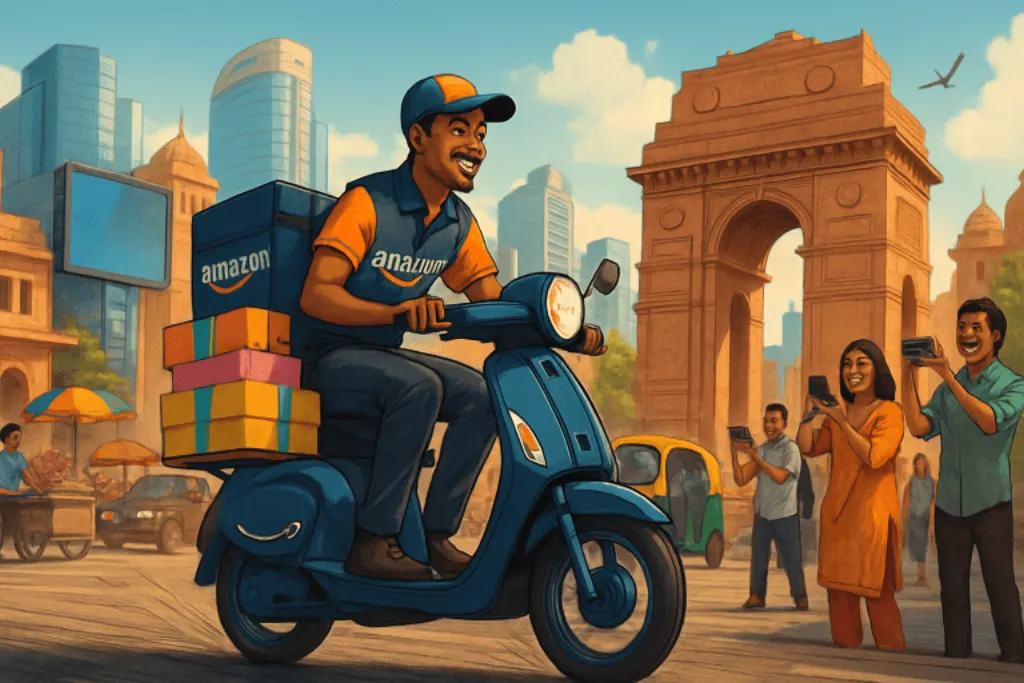
In an innovative move aimed at transforming the fast-commerce landscape in India, Amazon recently introduced a 10-minute delivery service in Delhi. This rollout is part of the e-commerce giant’s aggressive strategy to capture a growing market share from local competitors like Blinkit and Instamart. By focusing on convenience and logistical innovation, Amazon hopes to attract a customer eager for immediate and easy access to essential products. The 10-Minute Delivery Logistics Challenge One of the biggest challenges Amazon faced in implementing its fast-delivery service lies in logistics, a key element to ensuring the success of this project. It is crucial to have a well-oiled network of fulfillment and transportation centers that can guarantee such short delivery times. The Indian capital, with its high population density and complex urban infrastructure, adds an additional layer of complexity to this endeavor. To address these challenges, Amazon has redesigned its logistics network by integrating the most advanced technologies. Here are some of the strategies it has implemented: Warehouse Automation : Thanks to the widespread use of robots, order processing is faster and more accurate.Network Density : The increase in the number of small fulfillment centers helps bring inventory closer to consumers. Route Optimization : Artificial intelligence plays a key role in planning delivery routes to avoid traffic jams and save time.These logistical adjustments aim to overcome the physical and organizational barriers inherent in ultra-fast delivery. To learn more about Amazon’s changes to its logistics infrastructure, see the article on Amazon and the Rise of Fast-Delivery
.
https://www.youtube.com/watch?v=ZVFMm1WXmlQ Impact on Consumer Habits in Delhi Amazon’s introduction of 10-minute delivery could revolutionize consumer habits in Delhi, a city already at the heart of India’s commercial dynamism. With faster access to products, consumers see their purchasing power and flexibility increased.
Changing Buying Behaviors **Consumers in Delhi are already familiar with fast delivery, but the ability to receive products within such a short timeframe could profoundly change their perceptions of online shopping. Here are some anticipated changes:**Increased Spontaneity
- : Customers may make more impulse purchases knowing they will receive their items almost immediately. Decreased Inventory at Home
- : Households may reduce their personal stockpiles of necessities, relying instead on fast delivery. Preference for online platforms: By comparing delivery times, consumers may increasingly turn to Amazon and abandon other platforms.
- To learn more about how this new service could transform shopping habits, click here.
Discover how Amazon is revolutionizing fast-food in Delhi with its innovative 10-minute delivery service. Learn more about this new initiative that promises to transform the online shopping experience. Competition in the fast-food sectorAmazon’s decision to launch a 10-minute delivery service in Delhi only reinforces the already fierce competition in the fast-food sector. Local companies, such as Blinkit and Instamart, have already captured a large share of customers thanks to their fast and efficient offerings.
Technological Innovation
: Amazon enjoys a technological advantage thanks to its massive investments in AI and automation. Pricing Strategies : To attract users, Amazon could adjust its prices and offer aggressive discounts or free shipping.
Unique User Experience
: Integrating personalized offers based on consumer preferences could retain an ever-growing user base. **For a more detailed look at the current competition, this article provides an in-depth market analysis.**Discover how Amazon is revolutionizing commerce in Delhi with its 10-minute delivery service. An innovation that promises to transform your everyday purchases and improve the customer experience. Don’t miss this new era of fast shopping!
- Challenges Associated with Growing DemandDespite its ambition, Amazon is not without its challenges. Such rapid delivery service increases pressure on both infrastructure and labor. Human resource management, as well as material management, is becoming a determining factor in supporting this pace.
- **Here are some of the current challenges:**Increasing operational costs
- **: The need for staff, inventory clearance, and equipment maintenance is driving up costs.**Continuing education
: Employees must be regularly trained on new technological tools and accelerated processes. Environmental sustainability: The ecological impact of accelerated service requires innovative solutions, such as electric delivery vehicles.

For more information, click on this article
describing the challenges encountered and the strategies Amazon could implement to overcome them. The Future of Fast Commerce in India With the rollout of its service in Delhi, Amazon marks a turning point in the evolution of e-commerce in India. As the service grows, it is likely to introduce new dynamics into the local economy, driving a shift in jobs related to delivery and digital platforms. Expansion and Future Implications While Amazon is focusing its efforts on Delhi, its long-term ambitions could include expansion into other major Indian cities. This strategy could also trigger transformations in various sectors: Changes in the job market: Increased demand for delivery drivers and logistics operators could create numerous jobs.
Evolving regulations
- **: New legislation could emerge to regulate this fast delivery method, protecting both workers and consumers. Adoption by other sectors:**Healthcare and the pharmaceutical industry could draw inspiration from this model to offer express drug delivery.
- **To further explore the prospects of fast-track commerce, read this article, which examines the promises, as well as the challenges, of this innovative trend.**Discover how Amazon is revolutionizing fast-track commerce in Delhi with its new delivery service in just 10 minutes. Learn more about this innovation that’s transforming your shopping experience.


Read next
 E-commerce news
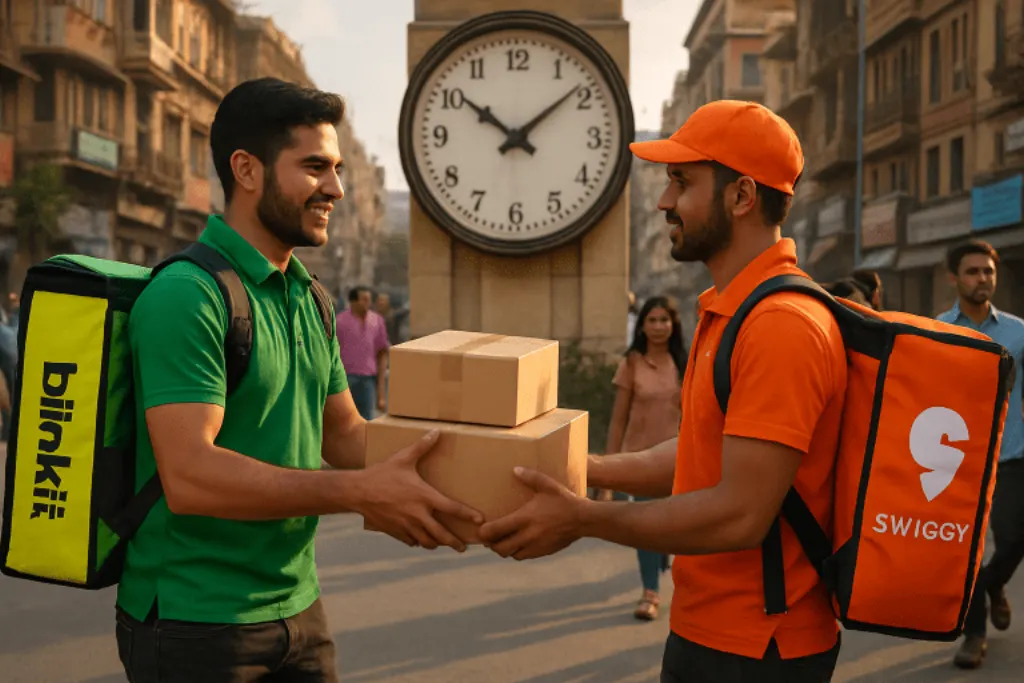
BlinkIt and Swiggy: India mandates the end of 10-minute delivery times
BlinkIt and Swiggy: Revolution and Regulation in India’s Ultra-Fast Delivery The race for ultra-fast delivery in India h
 E-commerce news
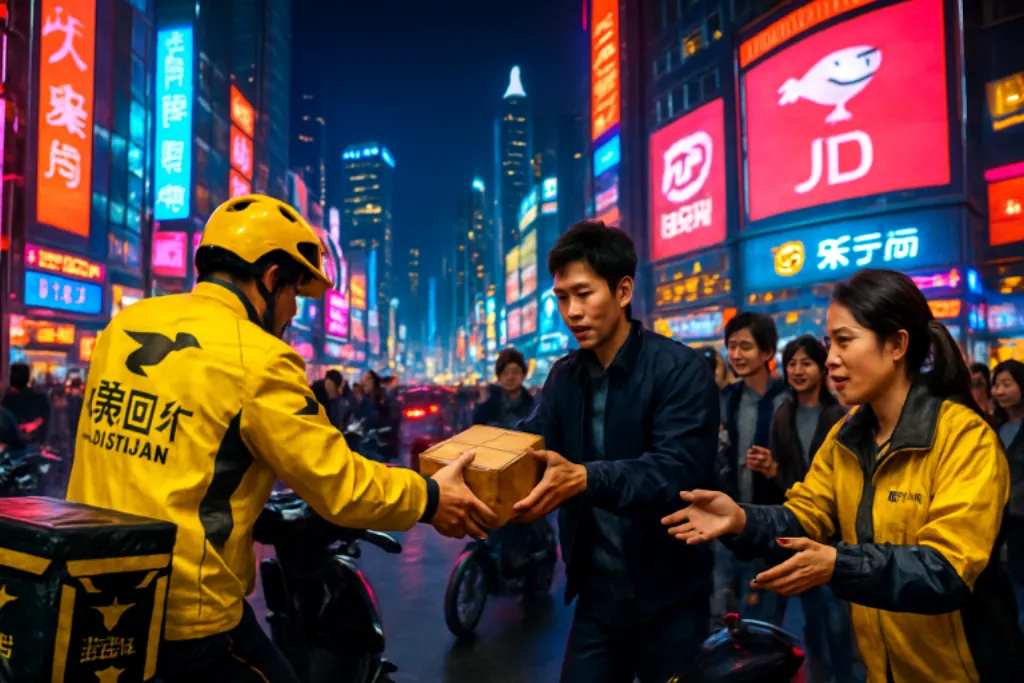
Meituan sees record orders as e-commerce wars boost delivery demand
Meituan, the on-demand delivery giant, is experiencing record order volumes in response to a new price war waged by majo
 E-commerce news
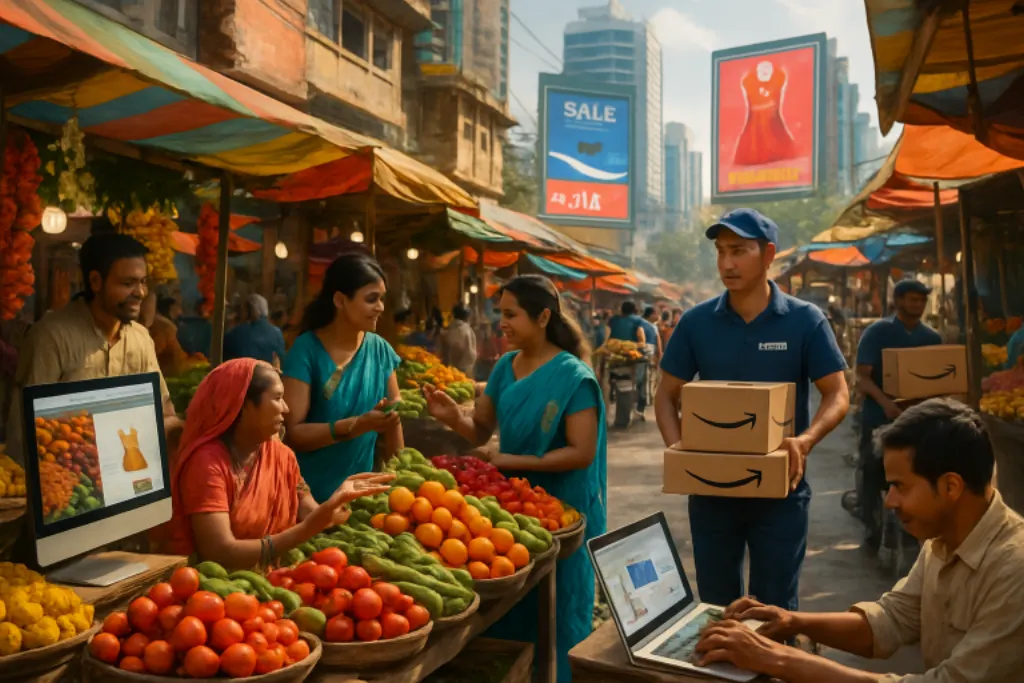
Amazon injects $233 million to boost e-commerce in India
Amazon persists and signs in India. The American e-commerce giant has announced it is investing $233 million in the subc
 E-commerce news
Enterprise e-commerce rides the wave of fast commerce, but financial challenges persist
With the rapid evolution of e-commerce, businesses are now engaged in a race to reduce delivery times. This phenomenon,