BlinkIt and Swiggy: India mandates the end of 10-minute delivery times
BlinkIt and Swiggy: Revolution and Regulation in India’s Ultra-Fast Delivery
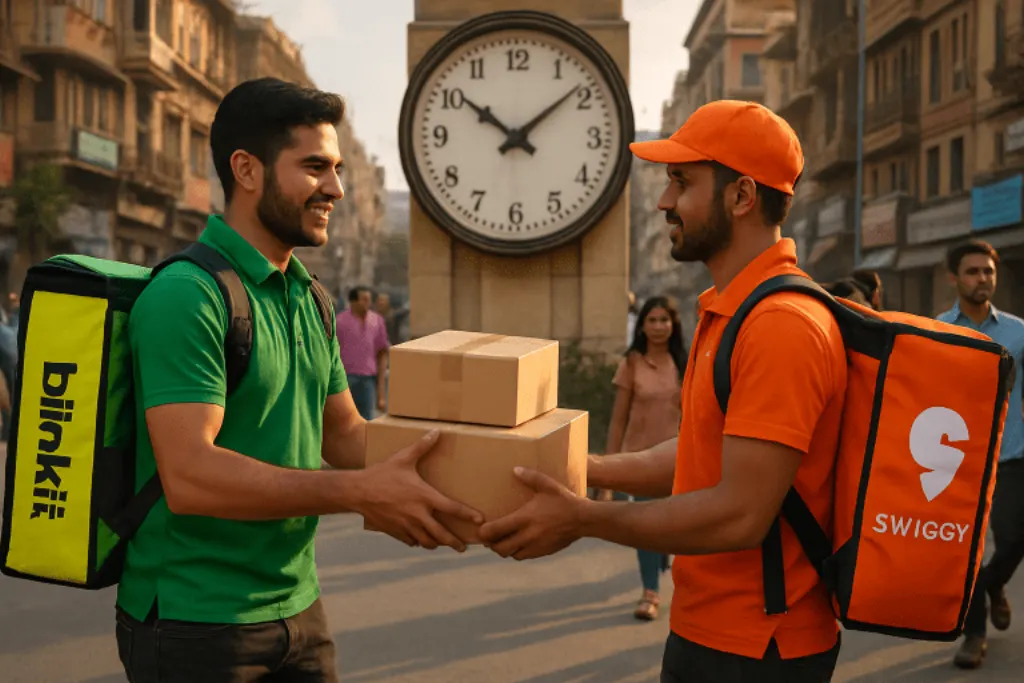
The race for ultra-fast delivery in India has seen giants like BlinkIt, Swiggy, and Zepto radically alter the e-commerce landscape with the promise of ten-minute deliveries. This trend has transformed shopping habits in Indian cities, where consumers can have groceries and various other items delivered in record time. However, the promise of ten-minute deliveries has raised major concerns about the safety and working conditions of delivery drivers. These workers have often been driven to dangerous driving practices to meet the strict deadlines, prompting calls for increased regulation. Recent social movements have prompted government intervention, demanding that major platforms such as BlinkIt and Swiggy stop promoting unrealistic delivery times. The withdrawal of the ten-minute delivery promise has been met with mixed reactions. For many, this change does not resolve the fundamental problems of stress and job insecurity faced by gig economy workers. Others observe that this decision could encourage a shift towards more sustainable delivery models, while moderating customer expectations. **Discover how India is ending 10-minute delivery with blinkit and swiggy, revolutionizing the express delivery sector.**The Impact of « Dark Stores » and Hyperlocal Logistics on E-commerce At the heart of this logistics revolution are « dark stores, » small warehouses strategically located in residential areas to minimize delivery times. These facilities allow businesses to respond quickly to orders, thus facilitating sub-ten-minute deliveries. Delivery services They prioritize speed, but this comes at a cost. Workers, who rely on these activities as their primary source of income, report working days exceeding 12 hours with little security or support. This pressure for rapid deliveries not only drives innovation in logistics but also highlights the need for reform within the industry. The rapid development of « dark stores » is a striking example of how India, in its digital boom, is embracing technological advancements to meet dynamic urban needs. The continued expansion of e-commerce demonstrates that investing in innovative logistics is a clear response to rising consumer expectations. https://www.youtube.com/watch?v=VIqaJ2iW4Dk The Social and Economic Consequences of Reduced Delivery Times The promises of fast delivery by companies such as BlinkIt and Swiggy have created a new ecosystem of opportunities and challenges. Indian consumers have embraced this modernization with enthusiasm, appreciating the convenience of obtaining daily necessities in the blink of an eye. However, this transformation is not without consequences. Delivery drivers, mostly from India’s lower socioeconomic strata, face harsh working conditions and high financial pressures, exacerbated by customer expectations. Furthermore, these workers rarely receive social benefits or career prospects. The pressure to minimize waiting times has also influenced the broader economic landscape, forcing delivery companies to constantly review their infrastructure and working methods to remain competitive. Through this dynamic, India illustrates how technological advancements can simultaneously stimulate economic development.and raise ethical questions about the treatment of workers.

Faced with these challenges, various social and political reactions have crystallized. Labor unions, in particular, have been crucial voices, advocating for improved working conditions and fair compensation. Following widespread protests, including those that saw thousands of delivery drivers take to the streets, the government encouraged companies to abandon their unrealistic promises. A comparative table of different companies’ strategies shows that some, such as Swiggy and Zepto, have gradually aligned their practices to meet new government guidelines. Others continue to navigate between technological innovation and ethical regulation, seeking the best way to satisfy consumers without compromising worker well-being. As the industry continues to grow, discussions about the balance between speed and safety remain central concerns, with the hope that broader regulations and more ethical practices will prevail.
The Future Evolution of the Fast-Moving Sector in India The fast-moving commerce sector in India is still in its infancy, envisioning technological innovations.
https://www.youtube.com/watch?v=kIjohHY8dU0 Conclusion of Regulatory Changes for BlinkIt, Swiggy, and Others In summary, the challenges faced by BlinkIt, Swiggy, and their counterparts in the rapid delivery industry illustrate a turning point for digital commerce in India. As companies revise their practices in light of new regulations, the focus is on seeking better working conditions while preserving innovation and customer satisfaction. The struggle to reconcile speed and safety remains a relevant issue, highlighting the need for ongoing dialogue among all stakeholders to shape the future of the sector. Overall, India is poised to redefine both the concept of rapid delivery and employee welfare standards in the context of modern e-commerce.
/kroger-cede-sa-filiale-a-un-acteur-majeur-du-commerce-en-ligne/
Read next
 E-commerce news
Amazon launches 10-minute delivery in Delhi to boost fast-track commerce
In an innovative move aimed at transforming the fast-commerce landscape in India, Amazon recently introduced a 10-minute
 E-commerce news
La course effrénée à la livraison rapide d’Amazon provoque une chute de 15 milliards de dollars pour Eternal et Swiggy
Amazon et la surenchère dans la livraison rapide Dans le monde de l’e-commerce, une véritable révolution s’est opérée av
 E-commerce news
Blinkit announces tough competition ahead in Indian quick-commerce market
The meteoric rise of quick commerce in India seems unstoppable. With rapid expansion and intensifying competition, Zomat
 E-commerce news
Veho, the e-commerce delivery platform, now expands to Michigan, Ohio, and North Carolina
Veho, the promising e-commerce delivery platform, continues to disrupt the parcel shipping market by expanding into Mich